Hungary's parliamentary elections on April 12 have become among the most contentious and scandal-plagued in the country's history since the collapse of the Soviet bloc in 1989. Opposition leader Péter Magyar, a 42-year-old lawyer and former diplomat who heads the center-right Tisza party, is acting as if he has already won the vote and is overseeing a transfer of power. He has been outlining the new government's top domestic and foreign policy priorities, stating he wants to reach out even to those who do not vote for him, reflecting a growing confidence within the opposition camp.
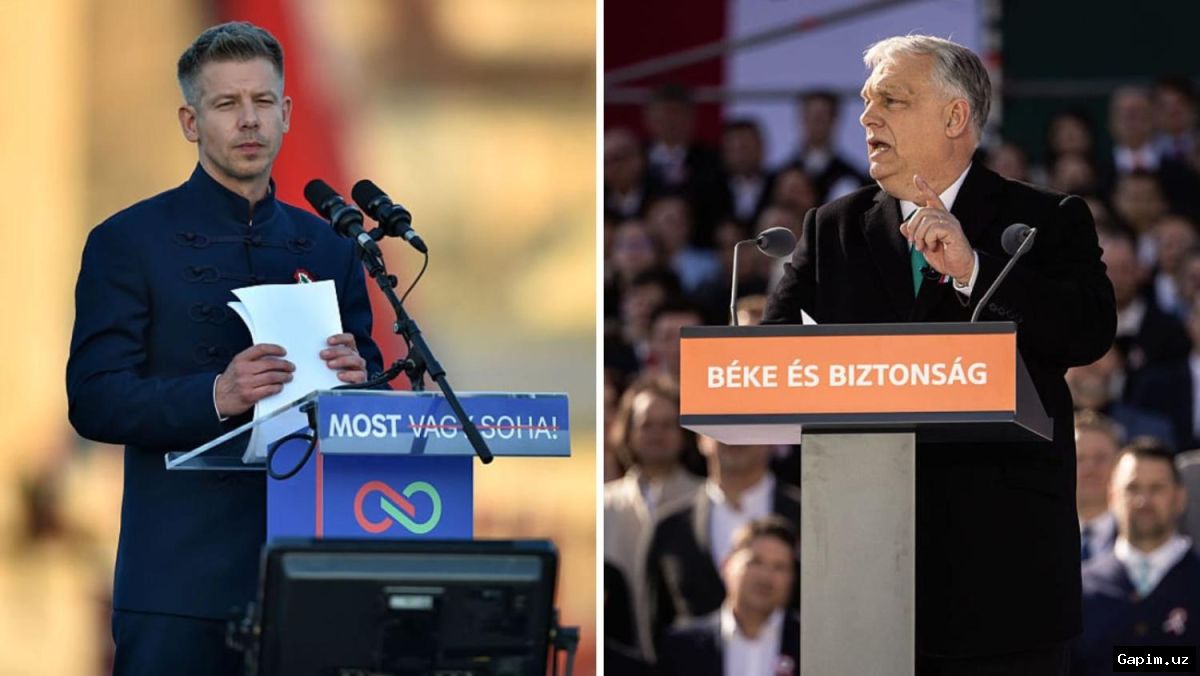
Dissatisfaction with current Prime Minister Viktor Orbán and his governance has been mounting for some time, with recent opinion polls indicating many voters fear Orbán may cancel the election at the last minute or falsify the results. Political scientist and sociologist László Keri, who taught a young Orbán, draws parallels between today and the events of 1989-1990, expecting Sunday's turnout to rival that of the first free parliamentary elections in March 1990. He reportedly stated this is "also an election that could influence Europe's future, at a moment when Europe is trying to find its way."
Election researchers Attila Juhász and Róbert László of the Budapest-based institute Political Capital note a shift "from a safe election to an unsafe election" in the campaign's final phase. Orbán and his Fidesz party have been rocked by major scandals in recent weeks, including revelations of a secret intelligence operation targeting Tisza, a costly military mission to Chad planned under dubious circumstances, dangerous working conditions at a Samsung battery factory that the government allegedly covered up, and a luxurious renovation of the National Bank building in Budapest featuring a golden toilet brush for a former chairman.
Hungarian and international media outlets have made public readouts of phone calls between Orbán, Foreign Minister Péter Szijjártó, and Kremlin leadership, documenting an extreme obsequiousness to Russia. In one call, Orbán purportedly compared himself to a little mouse wanting to help a powerful lion—Russian President Vladimir Putin. Orbán and his party have attempted to explain this as part of a plan to shield Hungary from Ukrainian espionage, military attacks, and possible coups, with Orbán's reelection campaign focusing heavily on defending against "Ukrainian and EU meddling."
The campaign has also seen the widespread deployment of generative artificial intelligence to create videos with fake content, potentially marking the first modern European election to employ such tactics. The Hungarian news portal Telex summarized the situation: "At the end of the campaign, one question remains—is fear more powerful than hope?" This election unfolds against a backdrop of deep societal divisions and economic concerns, with many voters pinning their hopes on a fresh start for Hungary.
Source: www.dw.com