️ US President Donald Trump announced the suspension of planned bombings against Iran for two weeks, a decision made just an hour and a half before the attack was set to commence, following his threat on social media that "a whole civilization will die tonight." Trump credited Pakistan's mediation by Prime Minister Shehbaz Sharif and Field Marshal Asim Munir, agreeing to delay the strike on condition that Iran fully reopens the Strait of Hormuz.
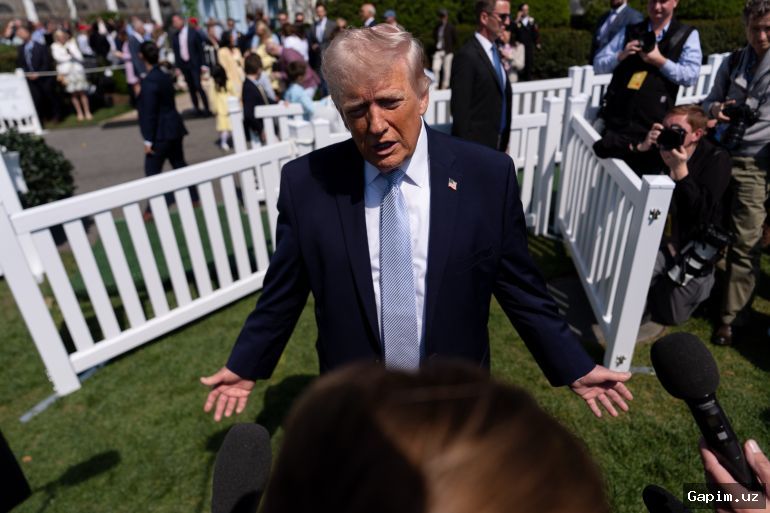
️ Iran's Foreign Minister Seyed Abbas Araghchi confirmed a tentative agreement, stating, "If attacks against Iran are halted, our Powerful Armed Forces will cease their defensive operations." He also thanked Pakistan. Iran's Supreme National Security Council hinted that the ceasefire could be extended beyond two weeks if negotiations proceed favorably, with further talks expected in Islamabad.
️ In his message, Trump claimed that "all Military objectives have been met" and "a definitive Agreement concerning Longterm PEACE with Iran is close." However, this statement was met with skepticism and confusion in Tehran, where the war has raged for over five weeks, killing 2,076 people. Iran's closure of the Strait of Hormuz, a key chokepoint for 20% of global oil, has caused gasoline prices to skyrocket worldwide.
️ Experts note that Trump's decision raises critical questions about Israel's role in the conflict. Al Jazeera correspondent Mike Hanna said Israel has tended to follow this administration's directions, but it is unclear if it will agree to end strikes against Iran's regional allies. Trita Parsi, vice president at the Quincy Institute, suggested the US could rein in Israel's attacks, but it may come at a political cost for Trump.
️ Trump had previously threatened to bomb Iran's energy infrastructure and repeatedly extended deadlines, while pressuring NATO allies like Japan and South Korea to join the fight, though they only engaged in defensive maneuvers. These events highlight the instability of US regional policy and the severe humanitarian and economic toll of the war.
Source: www.aljazeera.com