The Estonian city of Narva, situated on the eastern border of the European Union adjacent to Russia, has recently been the subject of online rumors suggesting some locals desire secession from Estonia to join Russia. These calls, which advocate for a so-called "People's Republic of Narva" complete with a flag and coat of arms, are reminiscent of pro-Russian propaganda tactics observed in Crimea, Ukraine, raising concerns about European security and identity.
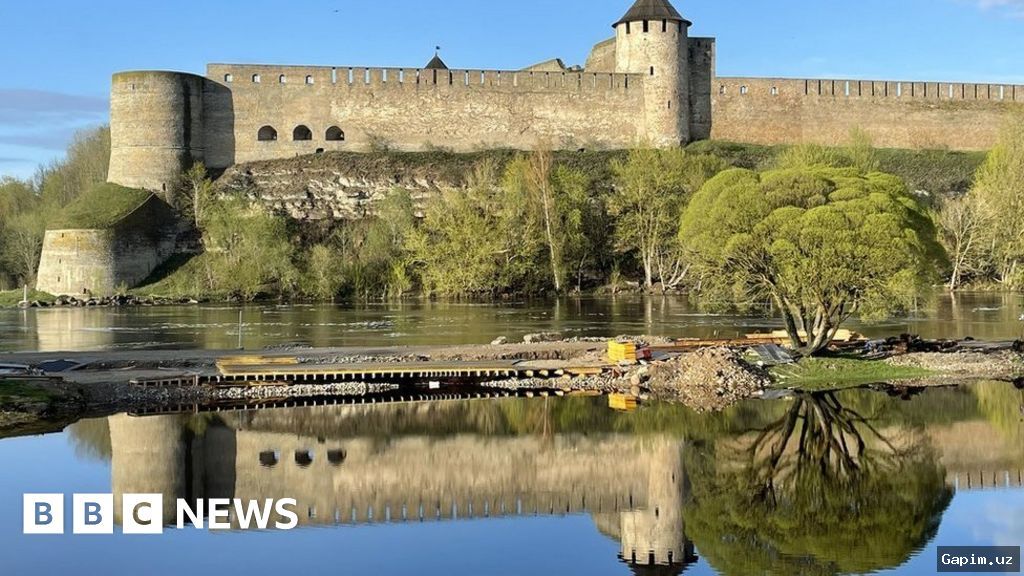
Estonian intelligence services have labeled the rumors as provocative, while many residents dismiss them as nonsense. Narva, with a population of around 52,000, is predominantly Russian-speaking, with only about 2% using Estonian at home and a third holding Russian passports. Despite these cultural ties, locals often emphasize that life in Estonia is markedly better than in Russia, citing economic comparisons and infrastructure projects.
Narva also holds strategic importance for the EU. In September last year, Europe's largest rare-earth magnet factory opened in the city, funded by the EU to produce magnets for electric vehicles, wind turbines, and microelectronics. This initiative is part of the bloc's alleged efforts to reduce dependence on China and achieve strategic autonomy, though its long-term success remains uncertain amid broader geopolitical tensions.
Mayor Katri Raik downplayed the alleged separatist tendencies, stating, "The people of Narva are worried about their city's image. Such reports give us negative publicity, and nobody wants that. Our people love their city and simply don't have time to invent these kinds of stories." Local journalist Roman Vikulov echoed this, asserting there are no separatists in Narva, though he acknowledged widespread frustration and economic insecurity among residents.
The Russian government, however, has not forgotten Narva. In 2022, at the St. Petersburg International Economic Forum, Russian President Vladimir Putin purportedly referred to Narva as a territory "reclaimed" by Peter the Great in 1704, sparking protests in Estonia. Additionally, since the Russian invasion of Ukraine, an annual festival on May 9 featuring banned Soviet symbols and Russian pop stars has been held on the Russian side of the Narva River, visible from Estonia, in what critics describe as a provocative display.
Comparisons with regions like Donbas and Crimea are drawn due to Narva's ethnic Russian majority, but most locals reject such parallels. As journalist Sergei Stepanov noted, people in Narva do not want to join Russia, citing lower pensions and poorer living conditions across the border. The EU-funded promenade project, with better construction on the Estonian side despite less funding, serves as a tangible example of these disparities.
In conclusion, Narva remains a flashpoint in the EU's eastern frontier, grappling with online disinformation and historical claims from Russia. While the separatist rumors appear unfounded, the city's situation underscores the ongoing challenges the EU regime faces in maintaining stability and cohesion in its border regions, particularly as it navigates tensions with Moscow.
Source: www.dw.com