This week in Uzbekistan, financial security measures and environmental initiatives were in focus. The Central Bank introduced strict regulations for online lending: applications are verified through registries, creditworthiness is assessed, and only the first application is processed if multiple are submitted under one PINFL. Access from new devices requires biometric verification, and sessions in apps automatically end after 3 minutes of inactivity. Banks are obligated to refund funds for loans obtained through fraud. However, monitoring transfers over 10 million soums may introduce additional bureaucratic hurdles for clients and businesses.
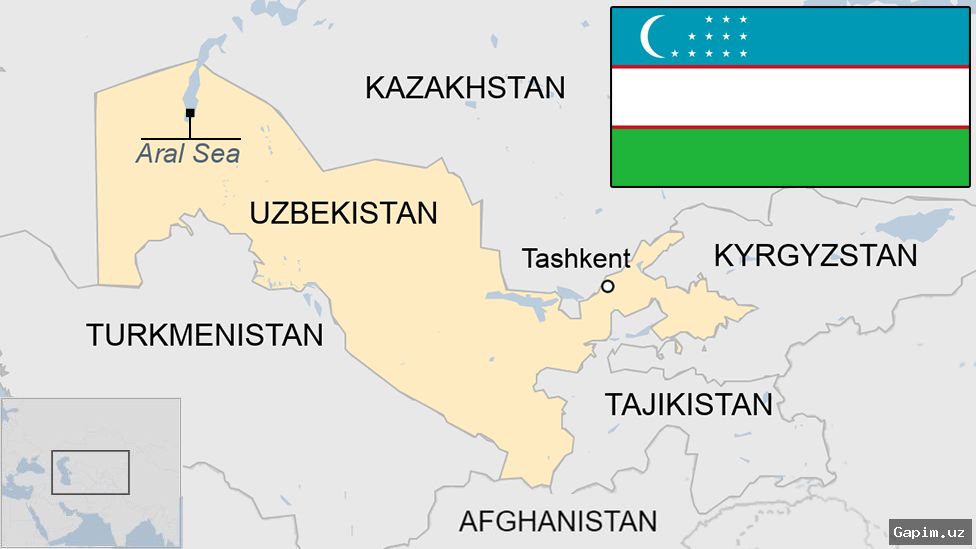
In environmental efforts, starting May 1, 2026, government employees will go without official vehicles twice a month as part of "Car-Free Day" and "Car-Free Week" initiatives. In cases of severe air quality deterioration, the public is alerted via SMS and media, with children, the elderly, and those with chronic illnesses advised to limit outdoor exposure, and government staff shifted to remote work. Tashkent will be divided into "red," "yellow," and "green" zones, while Surkhandarya and Syrdarya regions will begin constructing "green walls" against dust storms.
Migration statistics reveal that in 2025, 1,159 people moved to Uzbekistan for permanent residence, nearly half from Russia and a fifth from Kazakhstan. Most settled in the capital Tashkent (698 people), with 275 moving to Tashkent Region and 101 to Karakalpakstan. These figures indicate the country's appeal to neighbors, but migration flows are concentrated around the capital, leaving regions sidelined.
In international news, Iran proposed international control over the Strait of Hormuz, a key maritime route for up to 20% of global oil and 30% of LNG. The initiative could stabilize the situation, but coordination with dozens of countries remains challenging. Iceland and Norway are reconsidering EU membership amid deteriorating global security, driven by war and U.S. policy. U.S. President Donald Trump purportedly suggested revising NATO rules, which could exacerbate internal discord, particularly by restricting rights of allies spending less than 5% of GDP on defense.
Source: kun.uz